 In 2000 the City Council of Montevideo began to organize its efforts to generate responses to the situation of the homeless. To do so, and in collaboration with different ministries and social organizations, it created a network of shelters offering nightly refuge to the homeless during the three months of winter.
Since 2006 the Ministry of Social Development has borne the responsibility for this social problem and care has been extended to the homeless at the Night Shelters all year long. These shelters offer a place for someone to wash up, get fed, and sleep, etc., returning to the street the next day.
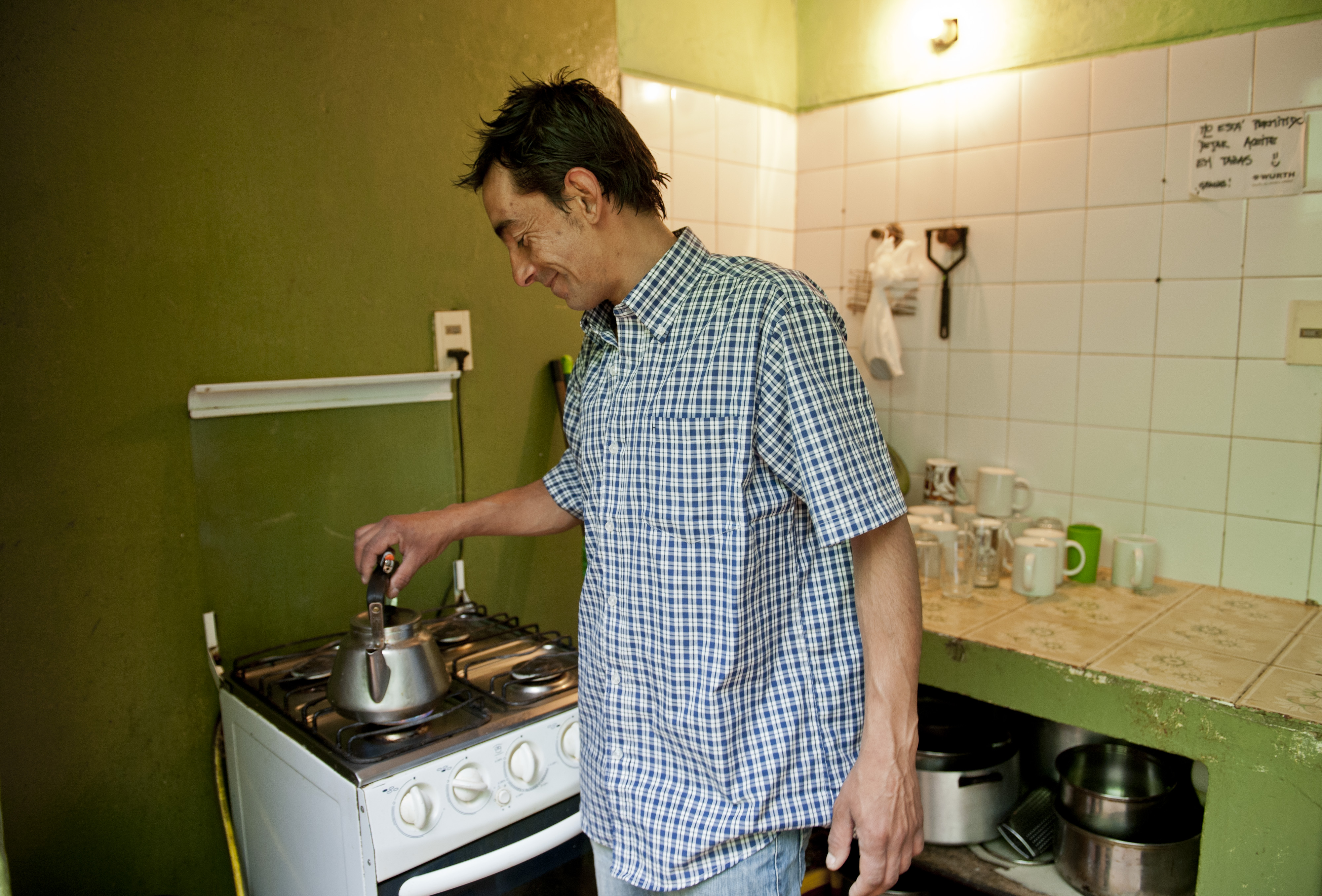
In order to take one more step, in 2009 the City Council of Montevideo created the Social Welfare Shelter, an experience of collective temporary housing that has been added to the Ministry’s actions, in response to the uncontrolled growth in the number of homeless people in public spaces in the city. The experience is an attempt to help these people integrate into society by satisfying their need for housing, paying a symbolic quantity of money. In compensation, they participate in a series of activities. They must be willing to form part of a process that will culminate in the concretion of their independence, since the central goal is to avoid their homelessness becoming chronic, promoting participation and stimulating pro-active behaviour.
The participants are selected by a technical team (psychologists, social workers, etc.) from the Council, based on field work, visits and interviews. This team accompanies the homeless throughout the process and offers them the guidance necessary to achieving their goals.
Unlike the Night Shelters, the beneficiaries of the Social Welfare Shelter can be housed 24 hours a day up to 6 months, with the possibility of two 3-month extensions, although the idea of temporariness is key to the process of getting them off the streets. It has room for 20 people divided into groups of 4. Each year approximately 70 people (mostly adult males) benefit from this programme, and 40% of the people in the program succeed in getting off the streets.
 -To provide a comprehensive alternative service to the homeless that can avoid their occupying public spaces, in order to generate, strengthen and/or consolidate the processes of getting them off the streets.
-To create an atmosphere that fosters the processes of a greater personal independence through the beneficiaries becoming the protagonists.
-To promote alternative tools that support and articulate personal resources, based on a proposal of social inclusion that does not generate dependency
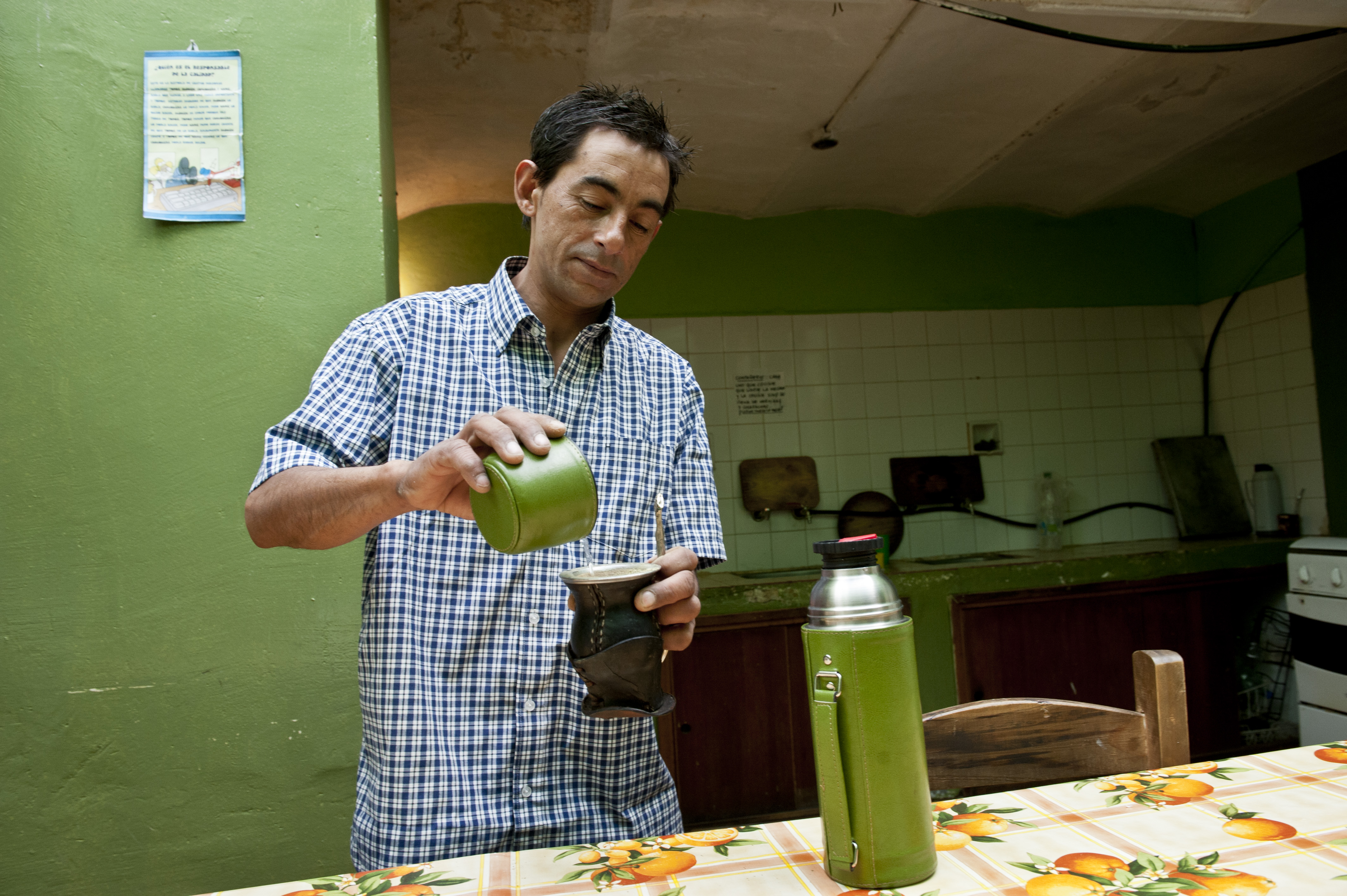
 The experience is rolled out through a process of collective coexistence in a house rented for this purpose. Consequently, we foster the recovery of the homeless by making them the protagonists and having them participate responsibly in their own roadmap for getting off the streets and giving them the trust and resources that will allow them to bear these responsibilities.
The persons selected to participate in the program must:
- Commit themselves to the progressive process of improvement in order to get off the streets.
- Have a job (formal or informal), which allows them to make their own economic contribution as payment for rent (Uruguayan Pesos 50 per day = € 1.72. Those cases where money is obtained from begging or crime are not accepted).
- Comply with the regulations of the Shelter.
- Priority is given to male adults over 25, generally affected by substance abuse and/or have left the penitentiary system.
The technical team manages the shelter 365 days per year and works together with the beneficiaries on the rules of the shelter, as well as monitoring each person.
The attempt is made at the Shelter to respect to the utmost the individual’s space and encourage the participants to get along, not without difficulties, since due to their past homelessness they must recuperate the behavior and habits necessary for social coexistence.
We foster independence and assumption of one’s responsibility, self-esteem, recognition of strengths and weaknesses, dialogue and communication, providing affection but also demanding discipline. Moreover, we work with the individual on the temporary nature of the initiative, since, at the most, their stay will extend only up to one year. The idea is that the duration of the process of social integration be the minimum necessary.
The department committee on care for the homeless of the City Council of Montevideo follows up and monitors the experience through periodic meetings with the team that manages the day-to-day running of the Social Welfare Shelter; together they analyse the process of the individual and the difficulties and alternatives for overcoming their situation.
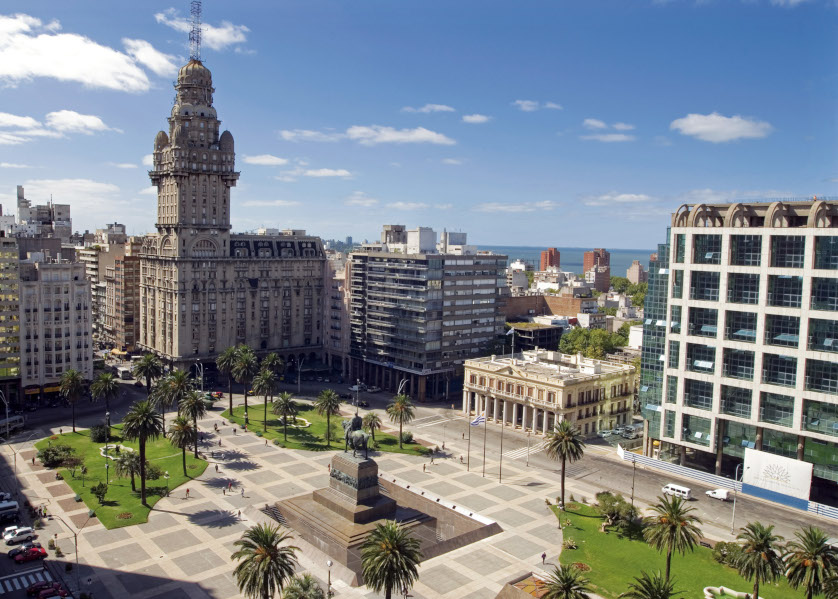 Montevideo is a city of 1,350,000 inhabitants (2011 data). It occupies a surface area of 200 km² and has a population density of 6,461 inhab./km². It is divided into 8 districts.
This experience is addressed to the homeless population in Montevideo (2013), which now totals almost 2,000 people.
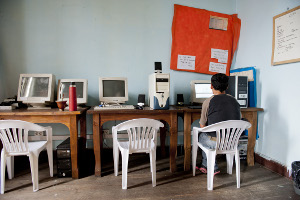 In the first three years, more than 200 people have participated in this experience and 40% have gotten off the streets, either by hooking up with family again, renting a dwelling together with other beneficiaries of the program or living in a shelter.
Strenghts:
Some of the homeless when they joined the programme were employed in unskilled jobs. Today they have managed to move into better-paying jobs.
Weaknesses:
When the homeless suffer from alcohol and/or substance abuse, it is not always easy for the technical team to predict what the best time will be for offering them the opportunity to participate in the experience, which leads to failure in some cases.
Future projects:
An agreement has been reached to bring together different organisations into the initiative, such as, for example: students in Community Psychology, students in Community Medicine, the Department of Culture of the City Council, in order to participate in shows, and coordinate with the Urban Centre of the Ministry of Education and Culture, which offers training workshops in trades.
